The Scientific Foundation of Medical Cannabis
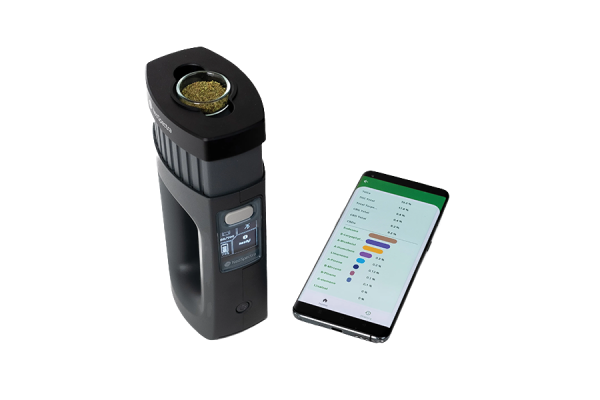
In regulated markets, laboratory cannabis analysis is a key process that transforms cultivation into reliable medicine. Specialized cannabis testing labs employ validated protocols and advanced analysis equipment to verify both safety and efficacy. These methods not only meet regulatory frameworks but also sustain the credibility of the entire medical cannabis industry. At the same time, in-house testing solutions such as NeoSpectra Valenveras offer the possibility of lab-like results in seconds, providing growers and producers with rapid, onsite insights to complement external laboratory validation.
Safety Testing: Protecting Consumers
The integrity of medical products depends on rigorous cannabis safety testing:
- Cannabis heavy metals testing prevents toxic accumulation from soil and fertilizers.
- Cannabis residual solvents analysis verifies that extraction does not leave harmful residues.
- Cannabis microbial testing ensures microbiological safety by detecting molds, yeasts, and bacteria.
Aligned with cannabis ISO testing methods, these procedures create reproducible results across international laboratories.
Potency Testing and Cannabinoid Profile: One of the Most Popular Cannabis Analyses
Determining therapeutic strength often begins with cannabis potency and cannabinoid profile testing, one of the most widely requested analyses in regulated markets.
- Cannabinoid potency and profile testing quantifies Δ9-THC and CBD in their neutral forms, as well as their acidic forms (THCA and CBDA), along with the most common minor cannabinoids (CBG, CBGA, CBN, CBC, THCV, CBDV, and Δ8-THC).
The potency result is the sum of the Total THC and Total CBD. Laboratories use a specific formula to report Total THC and Total CBD to reflect the maximum potential potency once the product is consumed. The formula accounts for the molecular weight lost when the acid drops its carboxyl group (carbon dioxide):
Total THC = D9-THC + (THCA x 0.877)
Total CBD = CBD + (CBDA x 0.877)
- Terpene Profile testing identifies and measures the concentrations of the terpenes present in the flower or extracts. This test, in regulatory terms, is not mandatory anymore, but the terpene profile and potency are still important for consumers.
Among the available tools, NIR potency testing cannabis has gained relevance for its ability to deliver rapid, non-destructive measurements directly on the plant material or finished product. A NIR cannabis potency analyzer enables fast screening with minimal sample preparation, making it ideal for process monitoring in real time. When more detailed separation is needed, chromatographic methods, such as High-Performance Liquid Chromatography (HPLC) for cannabinoid testing and Gas Chromatography–Mass Spectrometry (GC-MS), which is popular for measuring terpenes, complement the results, ensuring regulatory compliance and scientific accuracy.
By standardizing cannabis potency and profile analysis, consistency and reliability are guaranteed for prescribers and patients.
Genetic Integrity and Pathogen Detection
Advanced molecular biology extends testing beyond chemistry:
- Plant gender detection optimizes cultivation.
- Cannabis genetic testing authenticates strains and ensures breeding stability.
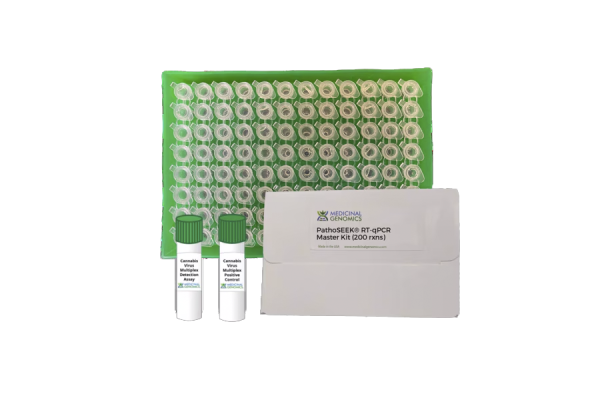
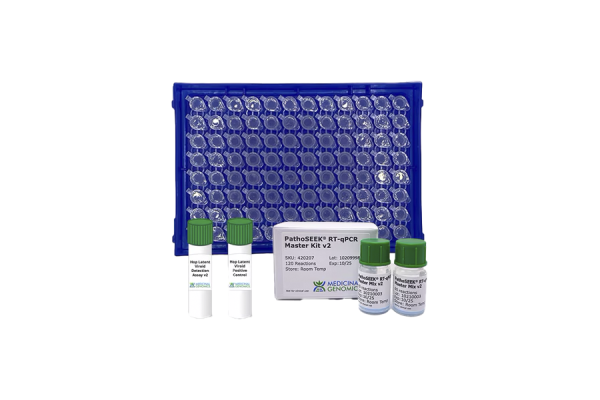
- Targeted cannabis qPCR assays allow pathogen detection, including cannabis virus screening and threats such as Hop Latent Viroid (HLVd).
Through proactive cannabis qPCR testing, producers minimize crop losses while securing genetic fidelity.
Homogeneity and Nutritional Analysis
Uniformity in formulations is another critical step. Homogeneity testing cannabis products ensures even cannabinoid distribution across oils, edibles, and capsules. Complementary nutritional analysis testing cannabis adds value, particularly in wellness-oriented formulations where potency and nutrition must align.
Standardization as a Pillar of Trust
The reliability of cannabis analysis depends on harmonized ISO methods. Standardization promotes reproducibility, supports clinical research, and strengthens global trust in cannabis-derived medicines.
Key Insight
From cannabis potency and profile testing to contaminant control, genetic screening, and product homogeneity, the analytical process is what elevates the plant from raw biomass to credible therapy. Without rigorous cannabis analysis, the industry could not ensure safety, efficacy, or international recognition.