Unlocking the therapeutic potential of cannabis compounds
What is Cannabis Decarboxylation?
Decarboxylation is a chemical reaction that removes a carboxyl group (COOH) from cannabinoid acids such as THCA and CBDA, converting them into their neutral forms, THC and CBD, which are often considered to be the pharmacologically active forms (1). This transformation is triggered by controlled heating, making it a critical step in the decarboxylation cannabis process for both medicinal and recreational products.
Without decarboxylation, raw cannabis biomass remains inactive, unable to deliver the expected effects when used in oils, edibles, or inhalable products (1).
Why is Decarboxylation Important?
The decarboxylation of cannabis is a foundational step in any extraction or formulation process that aims to produce consistent, bioavailable, and efficacious cannabinoid-based products.
- Bioactivation: The decarboxylation of THCA into THC (and CBDA into CBD) enables interaction with the body’s endocannabinoid system.
- Formulation-readiness: Critical before incorporating cannabis extracts into tinctures, capsules, topicals, or vape formulations.
- Standardization: Facilitates precise dosing and repeatable therapeutic outcomes.
Emerging cannabis decarboxylation studies reinforce the importance of optimizing this step for consistent product performance and regulatory compliance.
Preparing for Decarboxylation
A successful decarboxylation cannabis process requires careful control of temperature, time, and humidity. Deviations can lead to either cannabinoid degradation or incomplete conversion, both of which compromise product quality.
Key parameters to evaluate include:
- Moisture content of the biomass
- Desired cannabinoid profile
- Post-processing goals such as crystallization or distillation
- Scale of production and regulatory requirements
Operators commonly refer to a cannabis decarboxylation table, temperature curve, or chart to define the correct decarboxylation time and temp for cannabis, maximizing yield and preserving terpene integrity.
Decarboxylation Before or After Extraction?
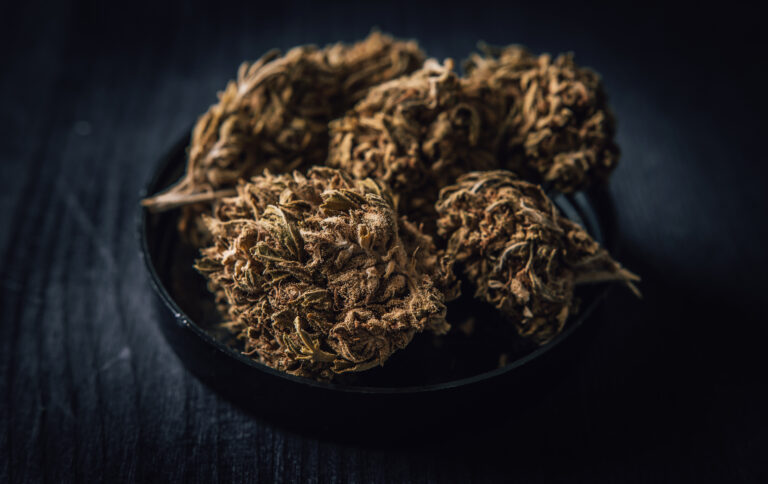
While traditional workflows rely on flower decarboxylation before extraction, post-extraction decarbing is increasingly implemented, particularly in ethanol-based workflows or when producing highly refined cannabis concentrates.
Choosing between pre- and post-extraction decarboxylation depends on:
- The extraction method (e.g., solventless, hydrocarbon, or ethanol)
- The end-use application (e.g., vape oils, edibles, topicals)
- Throughput demands and GMP or EU-GMP compliance
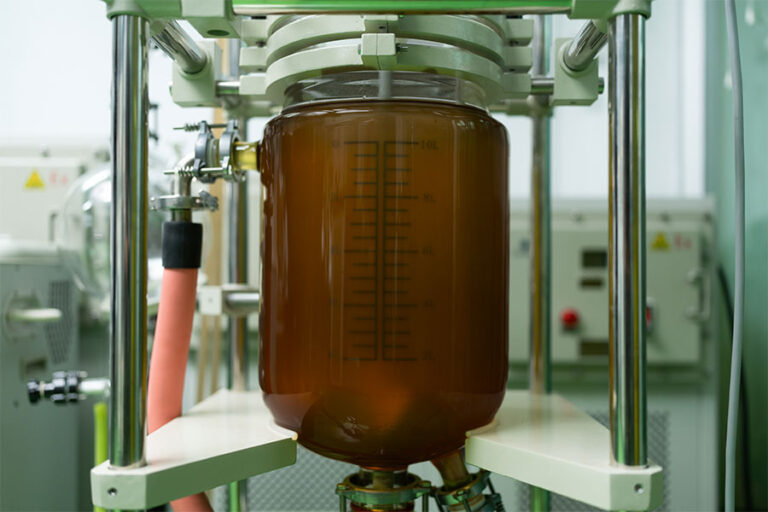
Some manufacturers prefer to decarb cannabis extracts rather than raw material, as it allows for tighter process control and reduces terpene loss. Regardless of the method, understanding your cannabis decarb temperature profile is essential to ensure repeatability and efficiency.
Decarboxylation Equipment for Scalable Operations
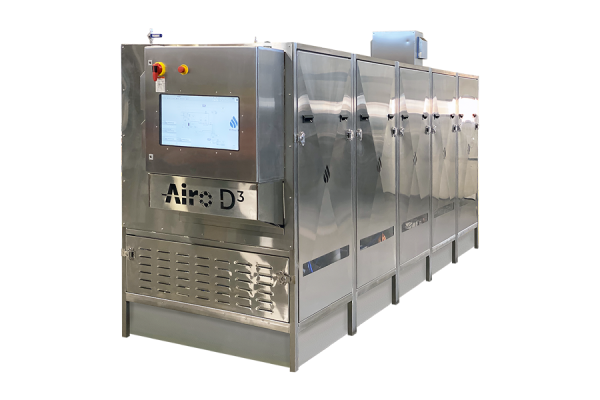
Whether you’re exploring the best decarb method or seeking to integrate a high-throughput decarboxylation machine into your production line, Paralab Green offers solutions tailored to your goals.
(1) Despite the general idea that only neutral form cannabinoids have therapeutic effects, there are many recent studies showing that, for some applications, the acid forms are better than the neutral forms.